
Introduction
So, you’ve just come home from a hard workout. You walk through the door, take a deep breath—and notice that the air in your home doesn’t feel quite right.
If you live in an apartment, perhaps cigarette smoke from a neighbour has found its way inside. Maybe an unpleasant odour has crept in from outside. You open a window hoping to get some fresh air, only to be greeted by the smell of traffic, exhaust fumes and pollution from the busy road outside.
It can leave you wondering: where can you actually find clean, fresh air?
The quality of the air we breathe can have a significant impact on our comfort, health and overall well-being. Poor indoor air quality can be caused by a variety of factors, including smoke, dust, allergens, mould, cleaning products, chemicals and outdoor pollution entering our homes.
Spending time in an environment with poor air quality can contribute to symptoms such as headaches, irritation of the eyes, nose and throat, coughing and breathing discomfort. For people with conditions such as asthma or allergies, certain indoor pollutants can also make symptoms worse.
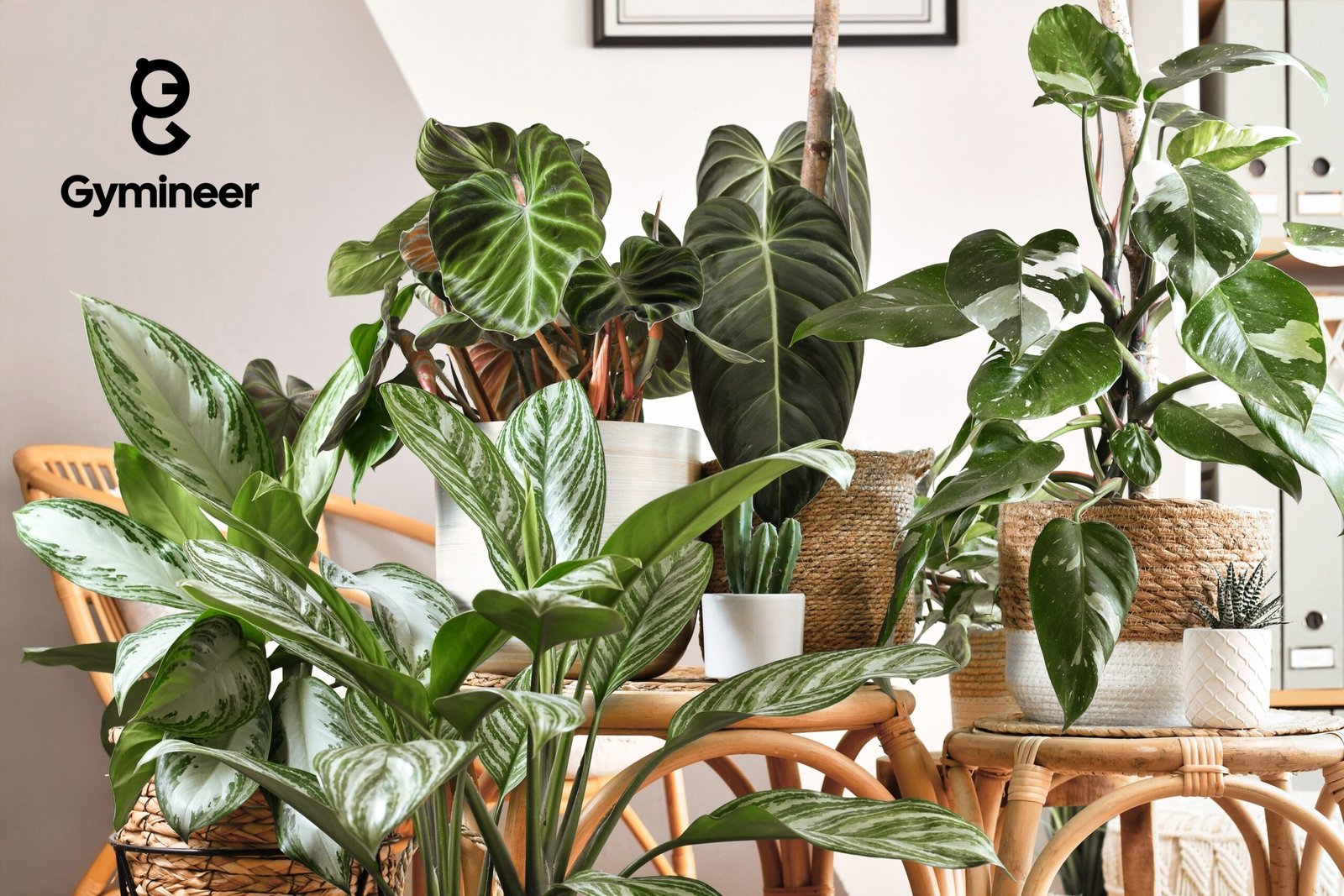
Fortunately, improving the air in your home doesn’t always have to mean making major changes. Good ventilation, reducing sources of pollution and keeping your home clean can all help. And there is another simple way to bring a little more nature indoors: houseplants.
Some houseplants have been studied for their ability to absorb certain airborne pollutants under controlled conditions. While they shouldn’t be considered a replacement for proper ventilation or a dedicated air purifier, they can be a beautiful and natural addition to your home.
So, if you’re looking to make your home a little greener while potentially supporting a healthier indoor environment, here are 10 of the best houseplants to consider for indoor air quality.
10 Best Houseplants for Better Indoor Air Quality
Houseplants are a simple way to bring more greenery into your home, and they can also contribute to a healthier and more comfortable indoor environment.
Research, including NASA’s well-known indoor-plant studies, has investigated the ability of certain houseplants to absorb or remove indoor pollutants such as formaldehyde, benzene and other volatile organic compounds (VOCs). However, it is important to remember that these studies were largely carried out in controlled environments. In an ordinary home, good ventilation remains one of the most important ways of maintaining healthy indoor air.
That said, choosing the right plants can be a great combination of greenery, wellbeing and potential air-quality benefits.
Here are 10 popular houseplants worth considering.
1. Snake Plant
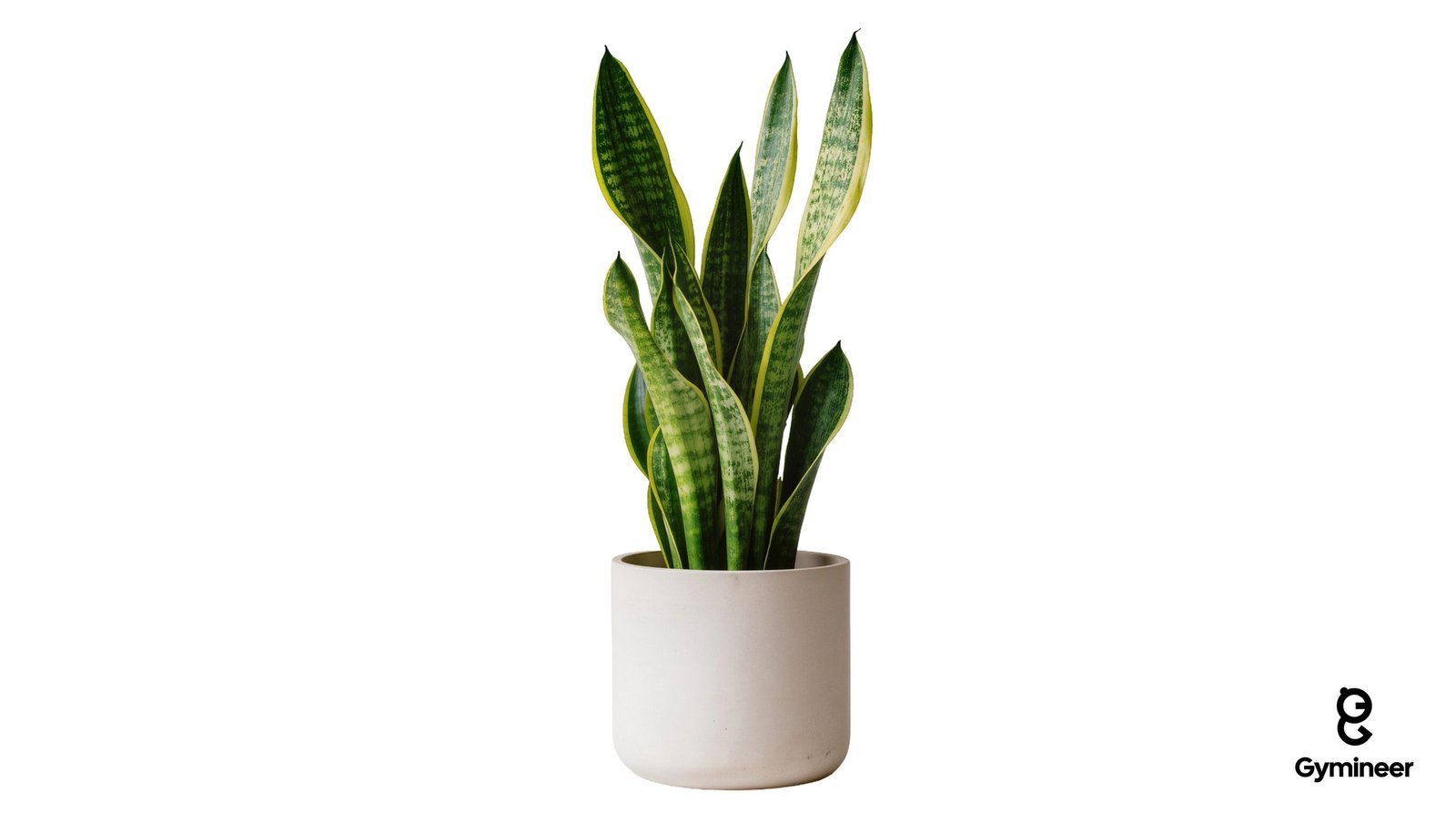
Botanical name: Dracaena trifasciata
Care level: ⭐ Very easy
Typical size: 30cm–1.2m
Growth speed: Slow to moderate
Lighting: Low to bright indirect light
The Snake Plant is one of the easiest houseplants to grow, making it particularly suitable for beginners.
Its tall, upright leaves give it a distinctive architectural appearance, while its ability to tolerate relatively low light means it can work well in bedrooms, offices, hallways and living rooms.
NASA research included the snake plant among plants investigated for their ability to remove indoor pollutants.
Care tip: Allow the soil to dry out between watering. Overwatering is one of the most common ways to damage a snake plant.
2. Spider Plant
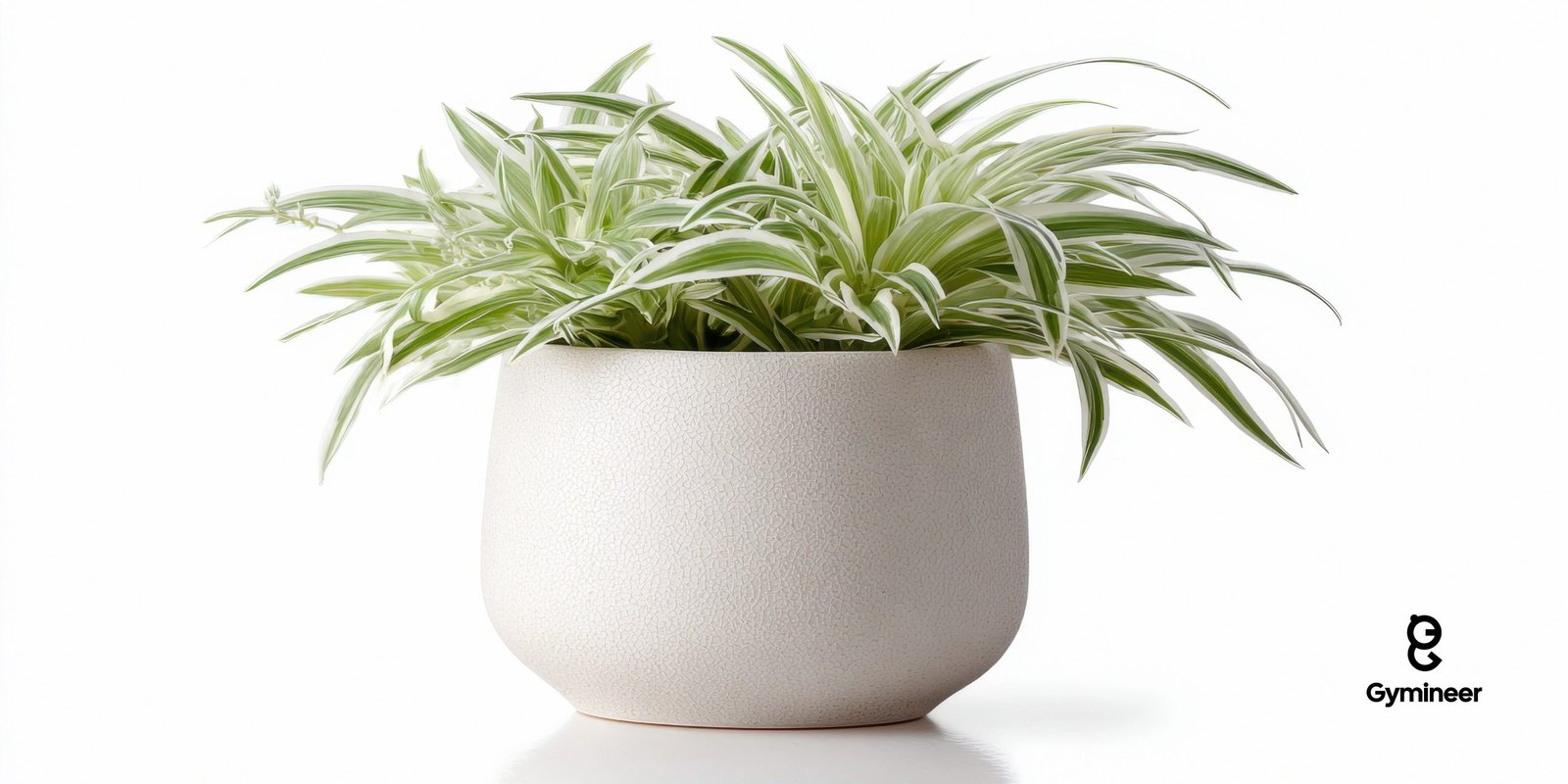
Botanical name: Chlorophytum comosum
Care level: ⭐ Very easy
Typical size: 30–60cm wide
Growth speed: Fast
Lighting: Bright indirect light to moderate light
Spider Plants are fantastic beginner plants and are particularly attractive when displayed in hanging baskets.
They produce long, arching leaves and small plantlets known as “spiderettes”, which grow from the ends of their stems.
The Spider Plant was one of the plants identified in NASA research as particularly effective at removing formaldehyde under laboratory conditions.
Care tip: Keep the compost lightly moist during the growing season but avoid leaving the roots sitting in water.
3. Golden Pothos
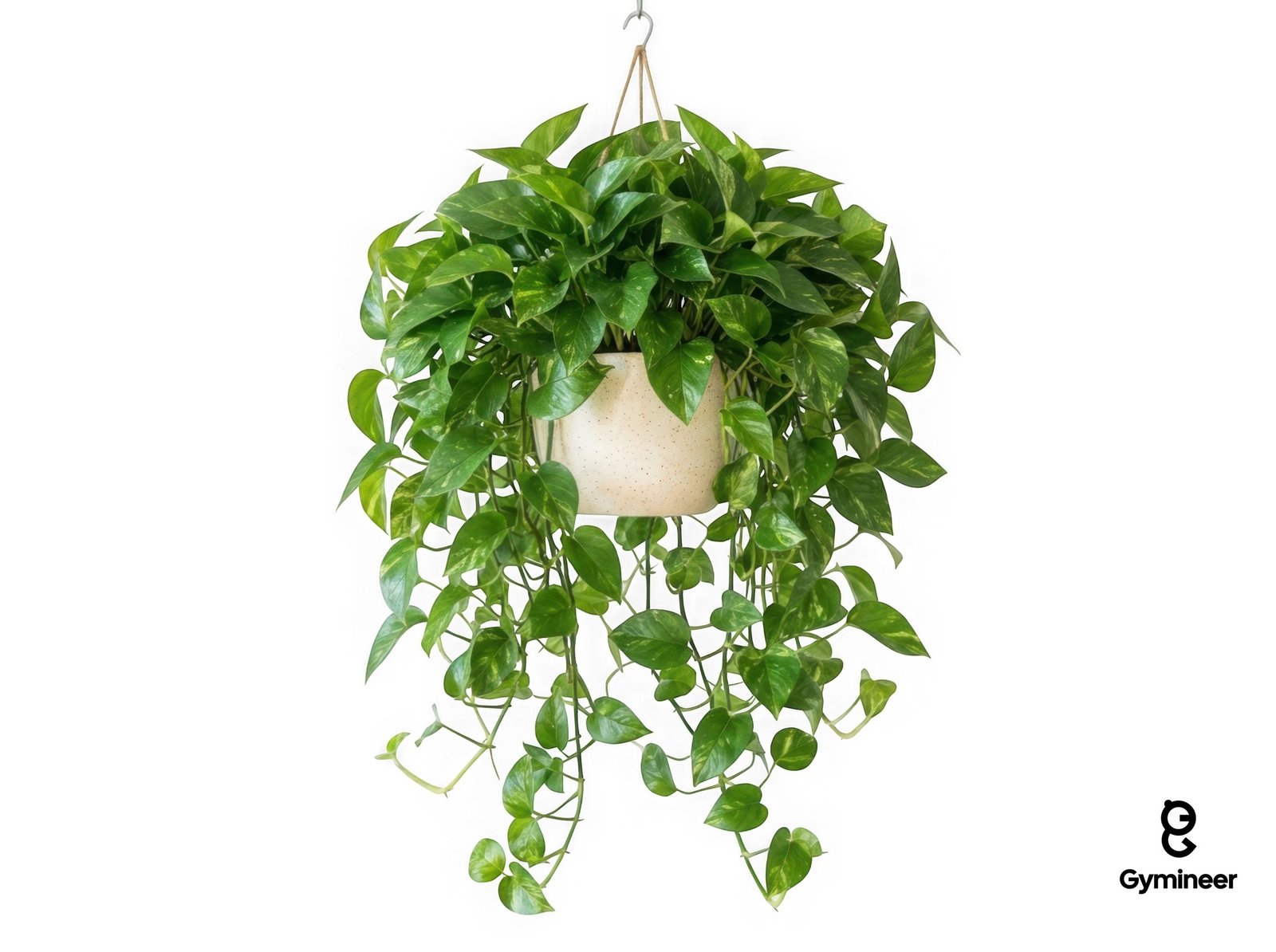
Botanical name: Epipremnum aureum
Care level: ⭐ Very easy
Typical size: Vines can reach several metres indoors
Growth speed: Fast
Lighting: Low to bright indirect light
Golden Pothos, sometimes called Devil’s Ivy, is one of the most popular indoor plants because it is both attractive and forgiving.
Its heart-shaped leaves develop attractive green and yellow colouring, while its trailing stems make it ideal for shelves, hanging baskets and plant stands.
Pothos was among the plants investigated in NASA’s indoor-air research and has also been highlighted by the RHS as a suitable indoor foliage plant with potential to reduce certain VOCs.
Care tip: Allow the top layer of soil to dry before watering again.
4. Peace Lily
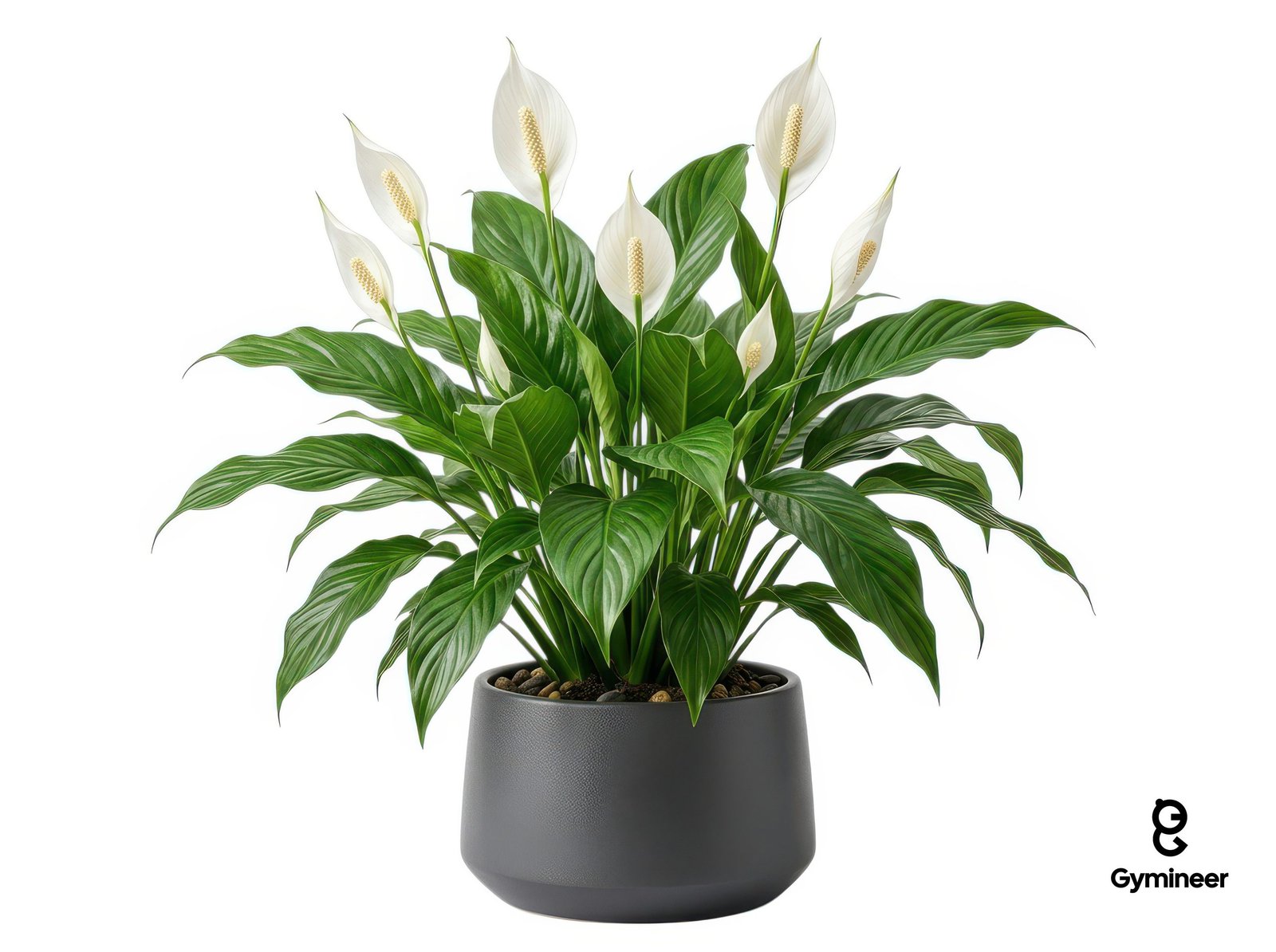
Botanical name: Spathiphyllum wallisii
Care level: ⭐⭐ Easy to moderate
Typical size: 30–90cm
Growth speed: Moderate
Lighting: Moderate to bright indirect light
The Peace Lily is one of the most recognisable indoor plants, thanks to its glossy green leaves and distinctive white flowers.
It can tolerate lower-light conditions than many flowering plants, although brighter indirect light generally encourages better growth and flowering.
The Peace Lily has been included in research into indoor air quality, and the RHS is currently investigating several Spathiphyllum cultivars for their ability to interact with indoor pollutants.
Care tip: Peace Lilies like consistently moist compost, but they should not be left sitting in water.
Important: Peace Lilies are toxic if eaten, so keep them away from children and pets that may chew plants.
5. Rubber Plant
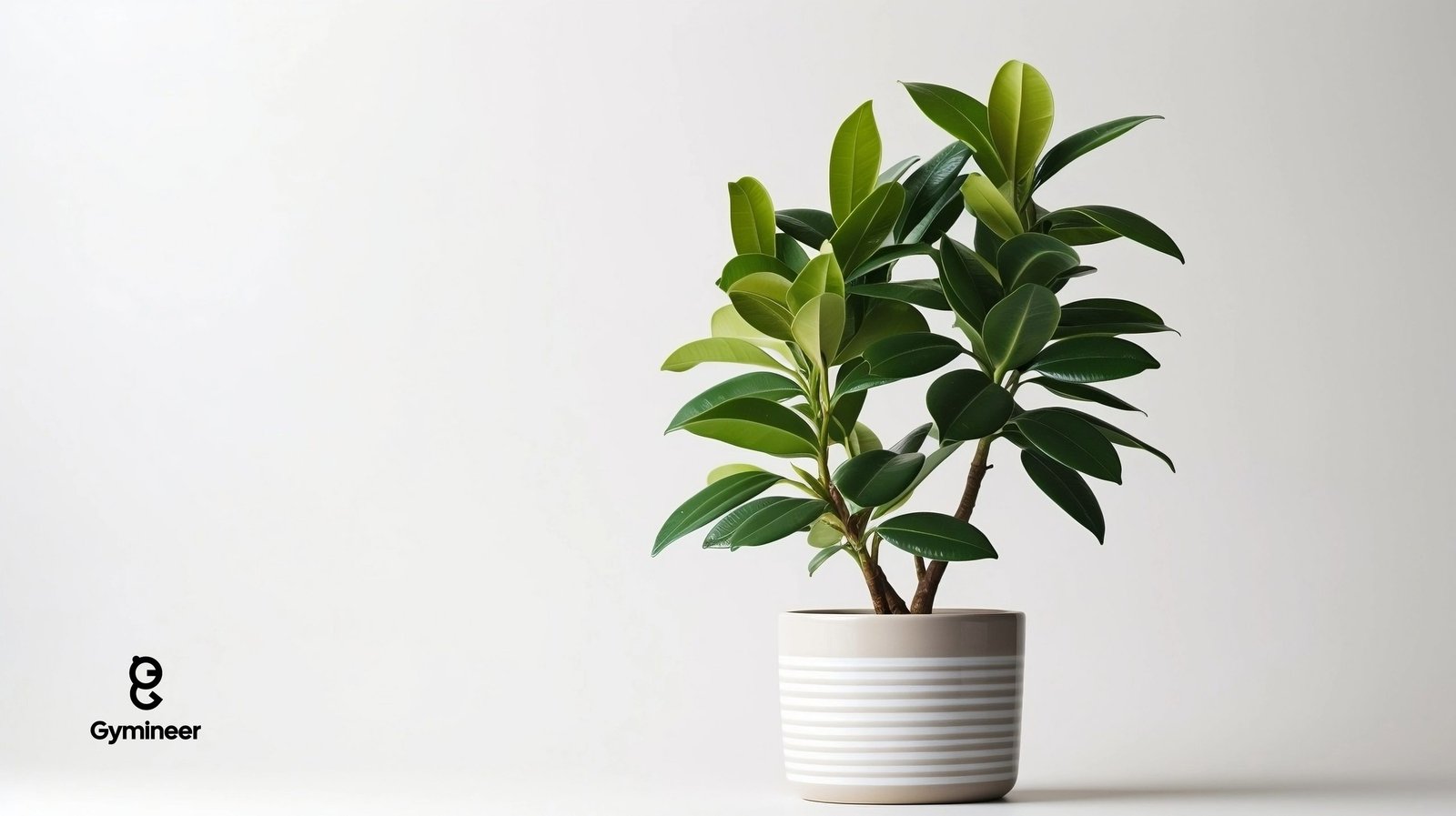
Botanical name: Ficus elastica
Care level: ⭐⭐ Easy
Typical size: 1–2m indoors
Growth speed: Moderate to fast
Lighting: Bright indirect light
With its large, glossy leaves, the Rubber Plant can become an impressive feature plant.
Its substantial foliage makes it particularly attractive for people looking for a plant that provides a strong visual presence rather than a small desk plant.
The RHS lists Ficus elastica among easy-to-grow indoor foliage plants and plants with potential to reduce certain VOCs.
Care tip: Place it somewhere with plenty of bright, indirect light and rotate the pot occasionally to encourage even growth.
6. Boston Fern
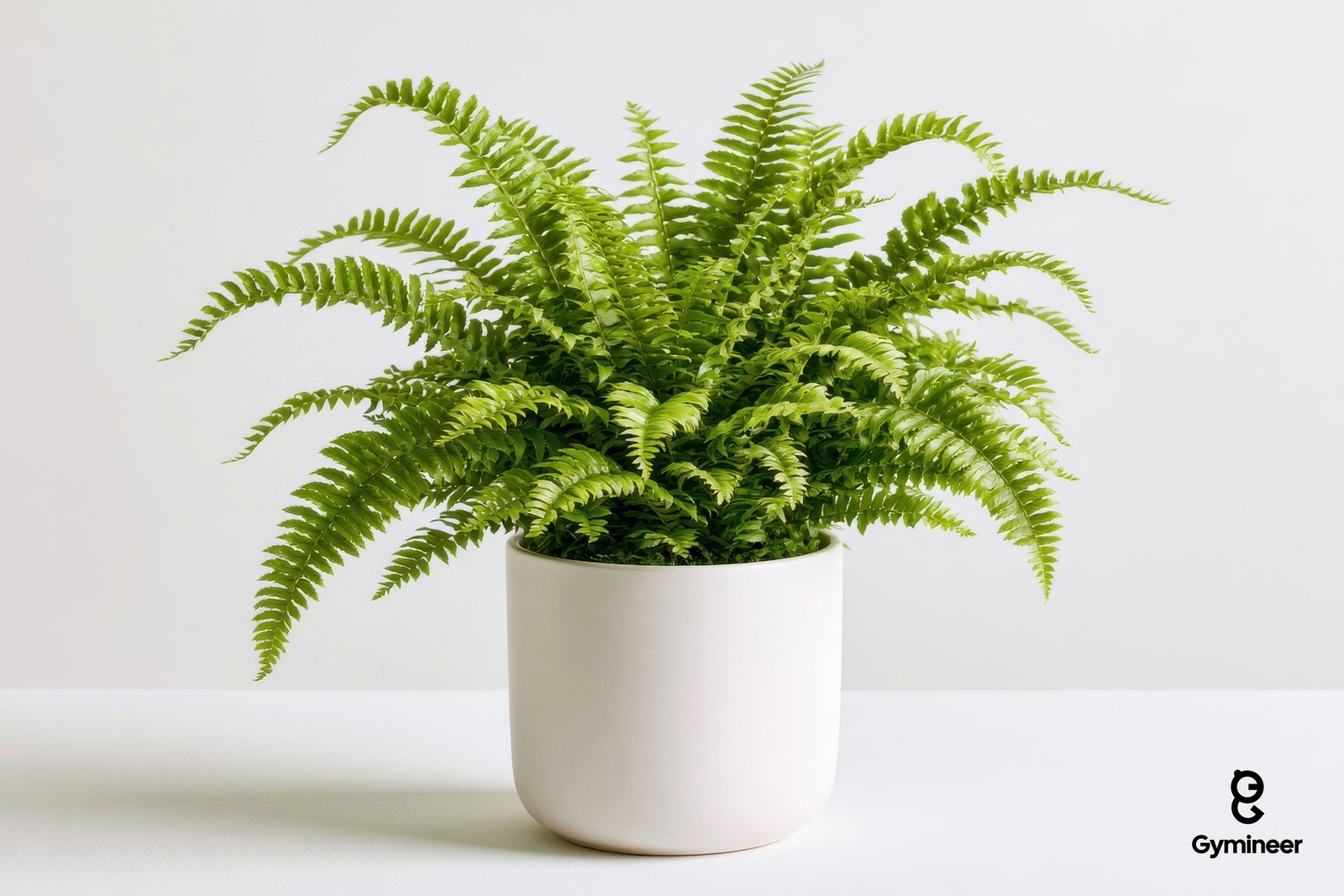
Botanical name: Nephrolepis exaltata
Care level: ⭐⭐⭐ Moderate
Typical size: 60–90cm wide
Growth speed: Moderate to fast
Lighting: Bright indirect light
The Boston Fern produces masses of delicate, arching fronds and can make a room feel noticeably greener.
It generally prefers higher humidity than many common houseplants, making it particularly suitable for bathrooms or other naturally humid areas.
The Boston Fern was among the plants investigated in NASA’s research, and the RHS includes it among easy-to-grow foliage houseplants under suitable conditions.
Care tip: Don’t allow the compost to completely dry out. Consistent moisture and humidity will help keep the fronds looking healthy.
7. Areca Palm
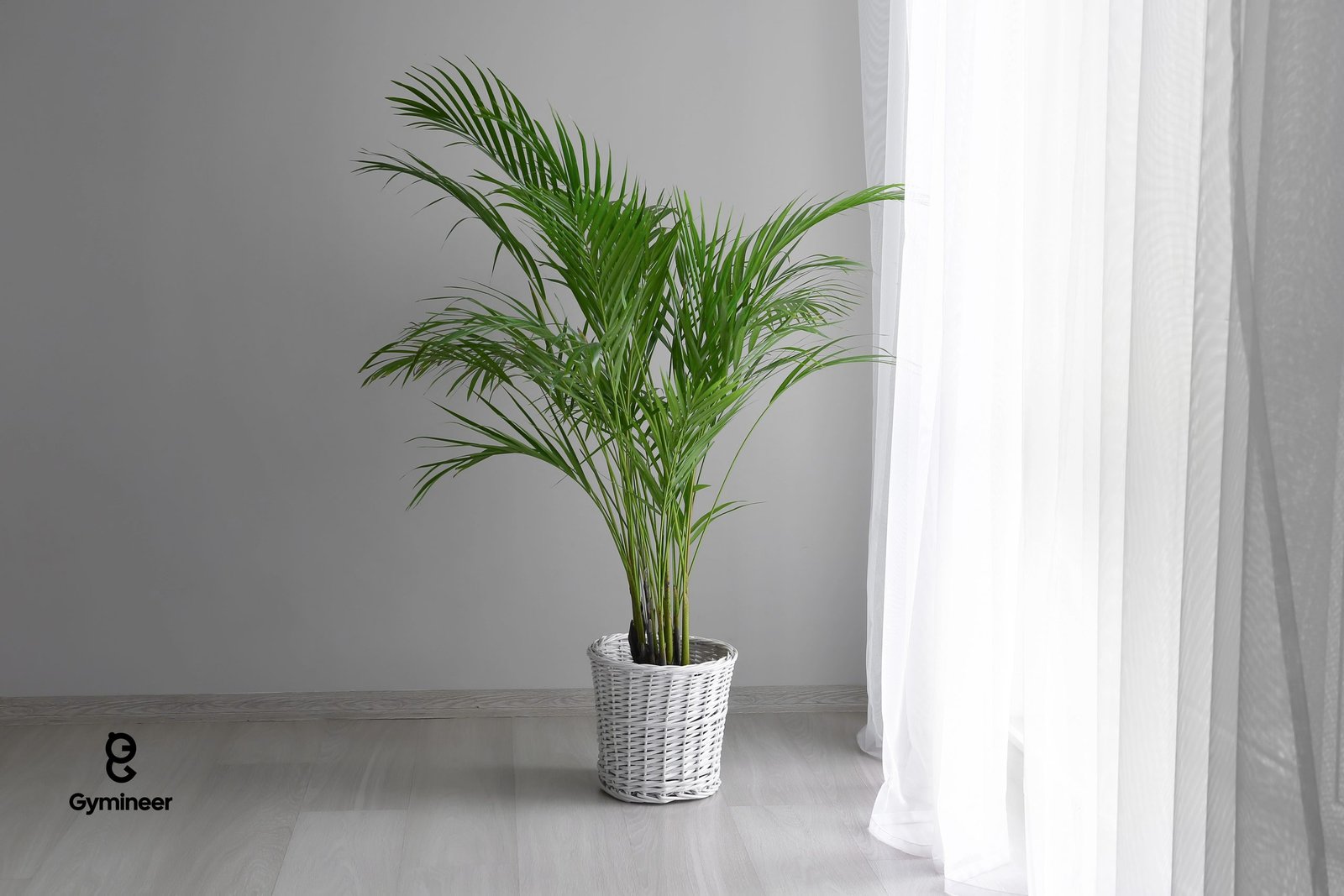
Botanical name: Dypsis lutescens
Care level: ⭐⭐ Moderate
Typical size: 1.5–2.5m indoors
Growth speed: Moderate
Lighting: Bright indirect light
The Areca Palm is an excellent choice if you want to create a tropical feel indoors.
Its multiple stems and long, feather-like leaves can eventually create a substantial indoor display. Like many leafy plants, it also releases water vapour through transpiration, contributing to indoor humidity.
The Areca Palm, also known as the Bamboo Palm, was among the plants investigated in NASA’s indoor-air research.
Care tip: Give it bright filtered light and water when the surface of the compost begins to dry.
8. English Ivy
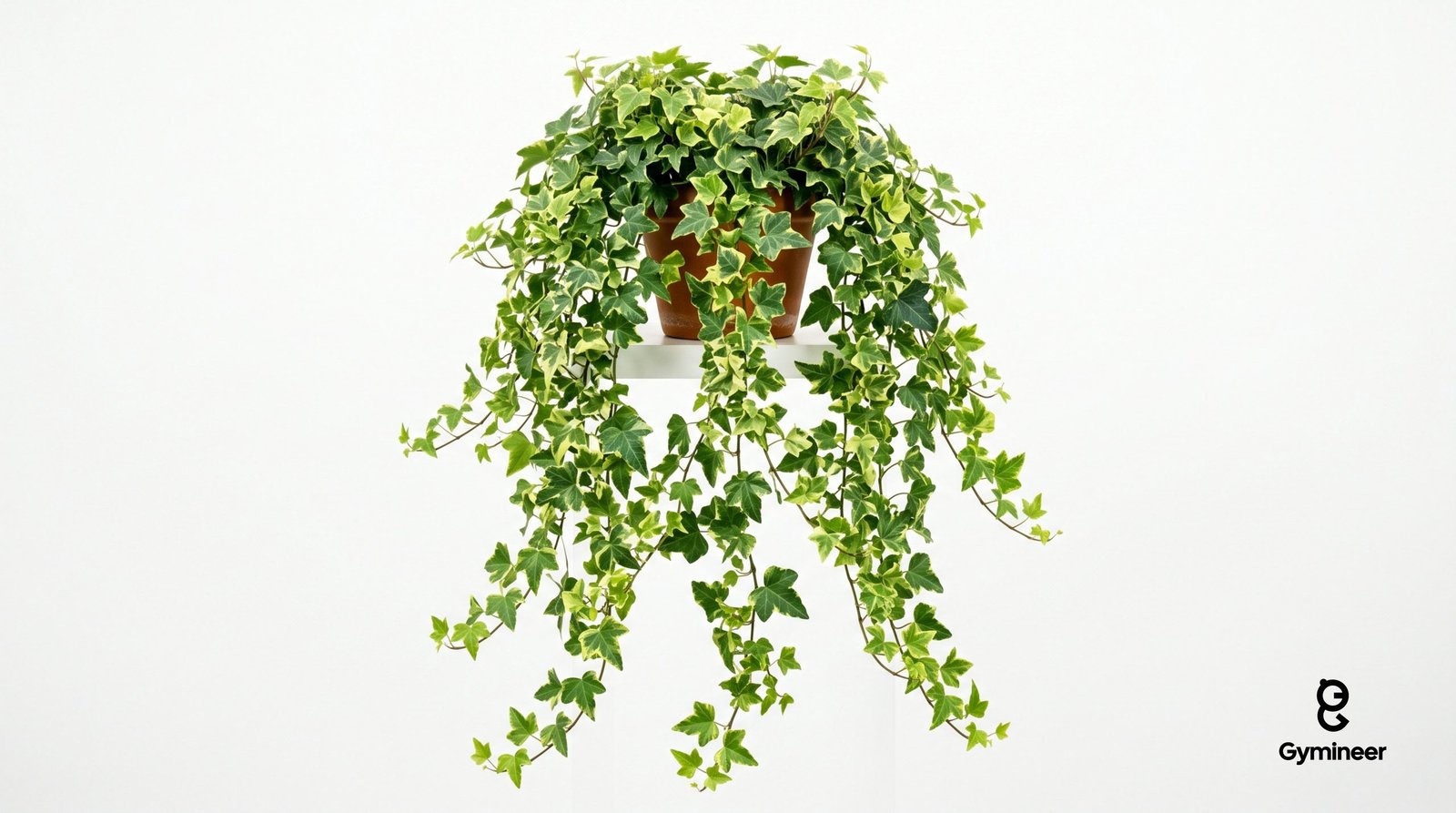
Botanical name: Hedera helix
Care level: ⭐⭐ Moderate
Typical size: Trailing stems can reach several metres
Growth speed: Fast
Lighting: Bright indirect light to moderate light
English Ivy is an attractive trailing plant that can be grown in hanging baskets or trained around supports.
It was one of the plants included in NASA’s research into indoor pollutants, and the RHS continues to include Hedera helix in research investigating indoor air quality.
Care tip: Give ivy good light without exposing it to harsh, prolonged direct sunlight. Regular trimming will help control its growth.
9. Dracaena
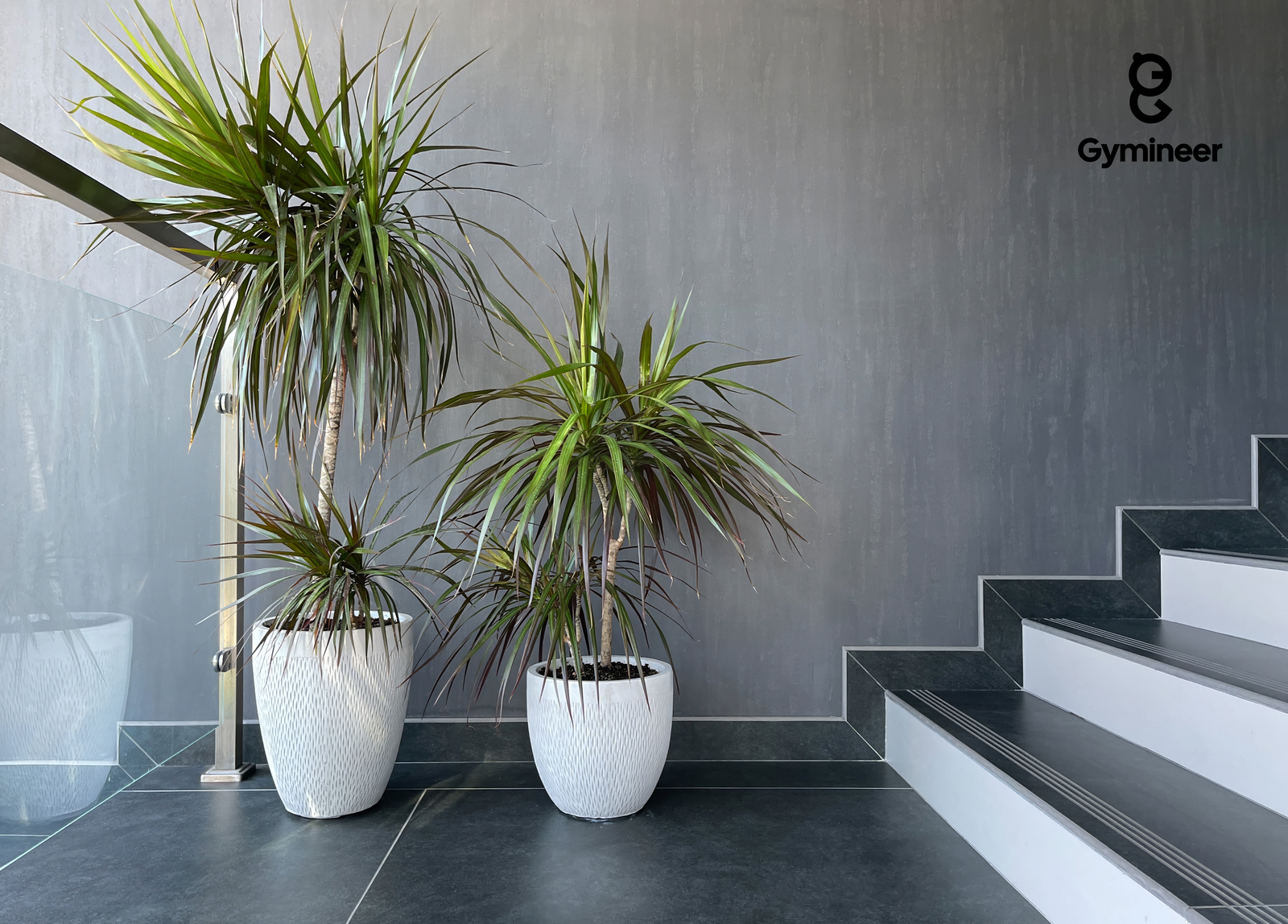
Botanical name: Dracaena species
Care level: ⭐⭐ Easy to moderate
Typical size: 60cm–2m+ depending on variety
Growth speed: Slow to moderate
Lighting: Moderate to bright indirect light
Dracaena is actually a group of different plants, meaning size and appearance can vary considerably between varieties.
Their long, narrow leaves and upright growth make them excellent floor plants for modern interiors.
Several Dracaena varieties have featured in research into indoor air quality. The RHS lists both Dracaena fragrans and Dracaena marginata among indoor plants with potential to reduce certain VOCs.
Care tip: Avoid keeping the soil constantly wet. Allow the upper layer of compost to dry between waterings.
10. Aloe Vera
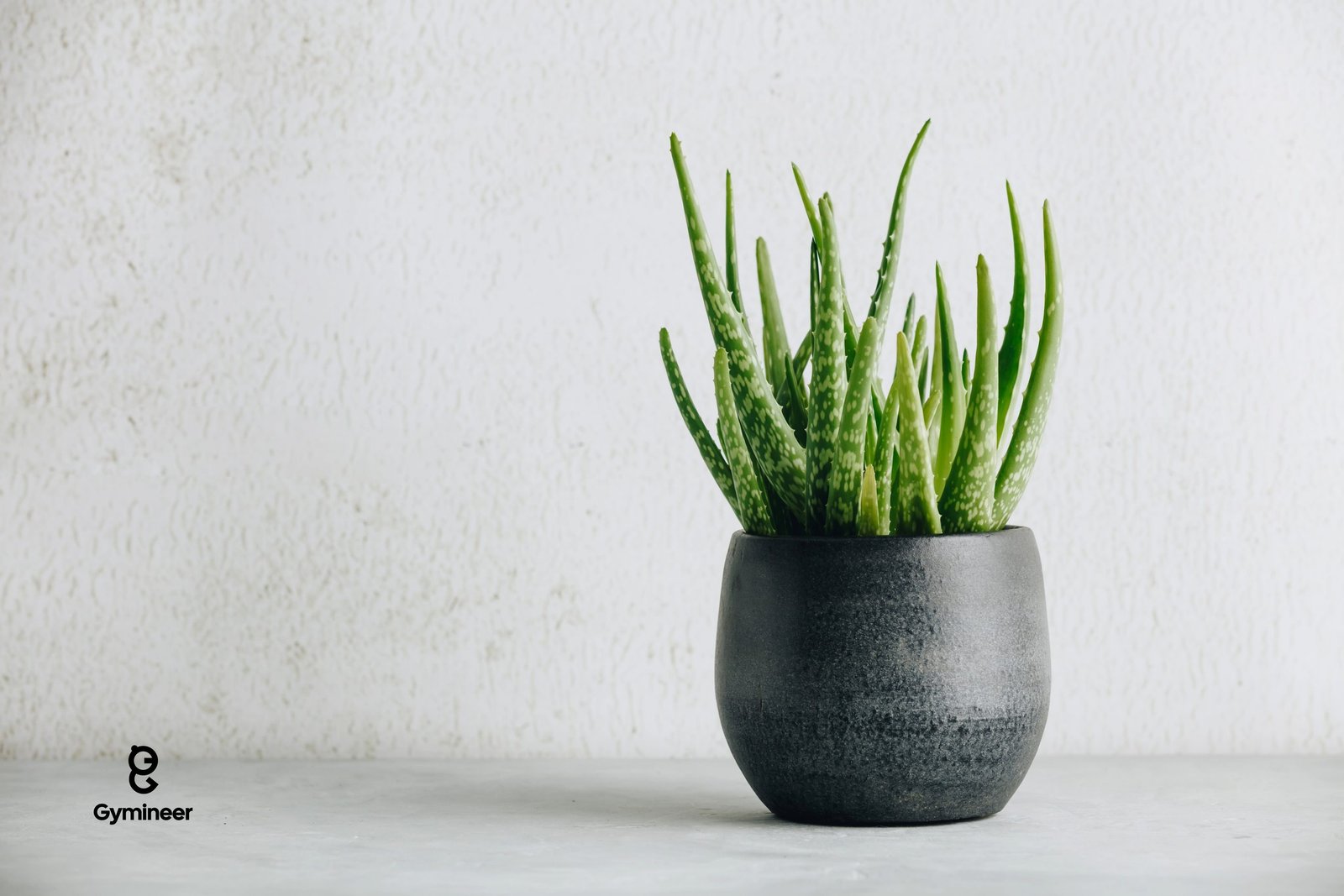
Botanical name: Aloe vera
Care level: ⭐ Very easy
Typical size: 30–60cm
Growth speed: Slow to moderate
Lighting: Bright light
Aloe Vera is a popular succulent with thick, fleshy leaves that store water.
It is particularly suitable for bright windowsills and people who occasionally forget to water their plants.
Research held by NASA’s Technical Reports Server investigated Aloe Vera’s ability to remove formaldehyde under controlled conditions.
Care tip: Let the compost dry out thoroughly between waterings and make sure the pot has good drainage.
Houseplant Comparison
| Plant | Care | Typical indoor size | Growth | Light |
|---|---|---|---|---|
| Snake Plant | Very easy | 30cm–1.2m | Slow–moderate | Low–bright indirect |
| Spider Plant | Very easy | 30–60cm | Fast | Moderate–bright indirect |
| Golden Pothos | Very easy | Several metres trailing | Fast | Low–bright indirect |
| Peace Lily | Easy–moderate | 30–90cm | Moderate | Moderate–bright indirect |
| Rubber Plant | Easy | 1–2m | Moderate–fast | Bright indirect |
| Boston Fern | Moderate | 60–90cm | Moderate–fast | Bright indirect |
| Areca Palm | Moderate | 1.5–2.5m | Moderate | Bright indirect |
| English Ivy | Moderate | Several metres trailing | Fast | Moderate–bright |
| Dracaena | Easy–moderate | 60cm–2m+ | Slow–moderate | Moderate–bright indirect |
| Aloe Vera | Very easy | 30–60cm | Slow–moderate | Bright |
Do Houseplants Really Purify Your Air?
The answer is a little more complicated than the popular “NASA proved houseplants clean your air” claim.
NASA’s research demonstrated that certain plants could remove pollutants such as formaldehyde, benzene and trichloroethylene from sealed experimental chambers.
However, a normal house is very different from a sealed laboratory chamber. The RHS notes that significant improvements to indoor air quality may require large numbers of plants under particular conditions, which may not be practical in most homes.
So, rather than thinking of houseplants as replacements for ventilation or mechanical air purifiers, it is better to see them as one part of a healthier indoor environment.
Plants can also contribute to indoor humidity and wellbeing, while adding colour and natural beauty to your living space.
Final Thoughts
Whether you want a plant for your bedroom, home office, living room or hallway, there is a houseplant to suit almost every environment.
If you’re new to houseplants, start with forgiving varieties such as the Snake Plant, Spider Plant or Golden Pothos. If you have a bright room and want something more substantial, consider a Rubber Plant or Areca Palm.
And remember: healthy plants need the right combination of light, water, temperature and humidity. The better your plants grow, the more you’ll get to enjoy the greenery they bring into your home.
A greener home can be a happier home.
Sources for the introduction
World Health Organization (WHO) — Air pollution and health
WHO explains that indoor and outdoor air pollution can contain pollutants such as particulate matter, carbon monoxide, nitrogen dioxide and other substances associated with adverse health effects. World Health Organization
WHO — Guidance on air pollution and health
WHO — Household air pollution
WHO describes how exposure to household air pollution can affect the respiratory and cardiovascular systems and is associated with conditions including COPD, stroke and cardiovascular disease. World Health Organization
NASA — Indoor air pollution and houseplants
NASA’s research investigated whether common indoor plants could remove pollutants including benzene, formaldehyde and trichloroethylene from indoor air under controlled experimental conditions. NASA Technical Reports Server